Leadership
Building and running design teams
I have run design teams for most of the last decade, and I have gone back to designing full time twice on purpose. Both directions were choices, not setbacks.
At Ancestry I directed a thirty-person product design and content organization across two offices and five product pillars. At True I was head of design for a team of six. At Intuit I grew a design, research, and content practice from three people to thirteen while personally designing the flagship AI experience that shipped in five months.
That last one is the version of management I am best at, and the version I want next: a player-coach who is still close enough to the craft to raise the bar by doing the work, not only by reviewing it.

Approach
How I lead
Seven things my teams could tell you about me without being asked.
Experience
Teams I have built

Product Design Manager
Intuit (QuickBooks) | Feb. '25 – Aug. '26
Grew the design, research, and content practice from 3 to 13.

Head of Design
True | May '20 – Oct. '20
Team of six, player-coach, owning product vision end to end.

Director, UX & Design
Ancestry | Oct. '16 – Feb. '20
A 30+ person product and content design org across two offices and five product pillars.

Design Lead
Idean (now Frog) | Mar. '15 – July '16
Design lead across multiple client teams.
At Intuit I picked up scope that had previously belonged to an experience design director. I carried it with no managers under me, thirteen people reporting directly while the practice was still being built. It is the hardest management year I have had and maybe my best.
Alongside the team work I designed the core Intuit Intelligence experience and took it from concept to general availability in five months. The interaction patterns from it are now used by more than twenty teams. That happened while the team was doubling.
Feedback
What the team said
“Love the way he presents work and solicits feedback from the team. You can tell that he genuinely is seeking advice and will implement it.”
“Even in the early days of joining our team, he had no problem pushing back to leadership or peers so long as it has solid rationale and backing.”
“He's helping put a process in place to help the team and keep everyone organized and contributing.”
Anonymous feedback from direct reports, 2025 performance review.
Read Ivan's full note
I had the opportunity to work for John Wayne as a Staff Product Designer, and he is one of those managers who genuinely understands how to bring out the best in people.
One of the things I appreciated most about John Wayne was his ability to recognize both my strengths and where I still had room to grow. He gave me opportunities to shine, but never took credit for the work himself. Whenever possible, he created a platform for us to be visible and made sure the people doing the work received the recognition for it.
A moment that particularly stayed with me was when John Wayne proactively approached me about pursuing a promotion. I hadn't gone to him asking for it. He recognized that I had outgrown my current level and was already performing at the next one. More importantly, he didn't simply tell me that I should apply. He walked me through what I had already accomplished and why he believed the work demonstrated that I was ready. The decision was still mine. That experience says a lot about the kind of manager he is.
John Wayne also leads with a high degree of transparency. When he learned something from senior leadership that could affect our work, he shared it with the team. We weren't unnecessarily surprised by changes that could affect our day-to-day work or our design decisions. He wanted his team to understand the broader context in which we were operating.
He gave us a lot of autonomy, but that trust also came with responsibility. John Wayne didn't just approve a design because we were experienced designers. He took the time to question our decisions and understand the reasoning behind them. I never saw that as micromanagement. To me, it showed that he cared about the quality of the experience we shipped and wanted to make sure that when our decisions were challenged by others, we could stand behind them.
I also appreciated that John Wayne made healthy disagreement a normal part of working together. I always felt comfortable bringing a different perspective or pushing back, and I knew that if I had a strong rationale behind my point of view, he would hear it and support me.
I saw that same philosophy in how he developed the rest of the team. He gave junior designers opportunities to take on work that would stretch them, while pairing them with more senior people so they were set up for success. At the same time, that gave senior designers opportunities to mentor and lead. Growth wasn't something he only talked about during career conversations. He designed opportunities for it into how the team worked.
John Wayne trusted his people, challenged them, advocated for them, shared context freely, and gave them room to grow. I'm genuinely grateful that I had the opportunity to work for him.
Feedback
What peers and leaders said
He not only leads with a POV doing actual design work, but holds a high bar for amazing work. He operates in the new way as a builder, blurring the lines between functions with tight collaboration and incredible velocity.
Thank you for being an incredible leader on the program. Within two quarters, you've turned an investor day dream into reality. You role model boldness, customer obsession, courage, and resilience.
It's beyond clear to me that JW is ready for [the next level of management].
JW is delivering high-quality design work and stepping into increased scope. He consistently holds a strong craft bar, ships quickly, and adapts well to new data and feedback. He is proactive, flexible, and customer-focused, embodying a strong maker culture.
Outcomes
What the team measured
Every person on the team filled this one in. That is the figure I read first. A team that has stopped believing the survey changes anything quietly stops answering it.
The same survey put me well below baseline on goal setting. That is the honest half. It was a decision made up front and with the team's buy-in as our team's direction was constantly shifting.
100%
of my team responded to the engagement survey
Against a company-wide response rate in the low eighties.
+9 to +19
points above the company baseline
On making quick decisions, feeling empowered to act, and taking risks.
Honest half
Where I am getting better
What I am looking for
I am open to leadership roles: Director, Head of Design, or a senior manager role with real scope. I am equally happy in a principal or staff individual contributor seat, and I do not think of those as different careers.
What I want is the same in either: a team small enough that I can still do the work, a product where design decides something, and a company with people that support each other enough to be bold.
Case Studies
12 projects

Intuit Intelligence
- iOS
- Android
- Web
Learn More

TurboTax Full Service
- iOS
- Web
Learn More
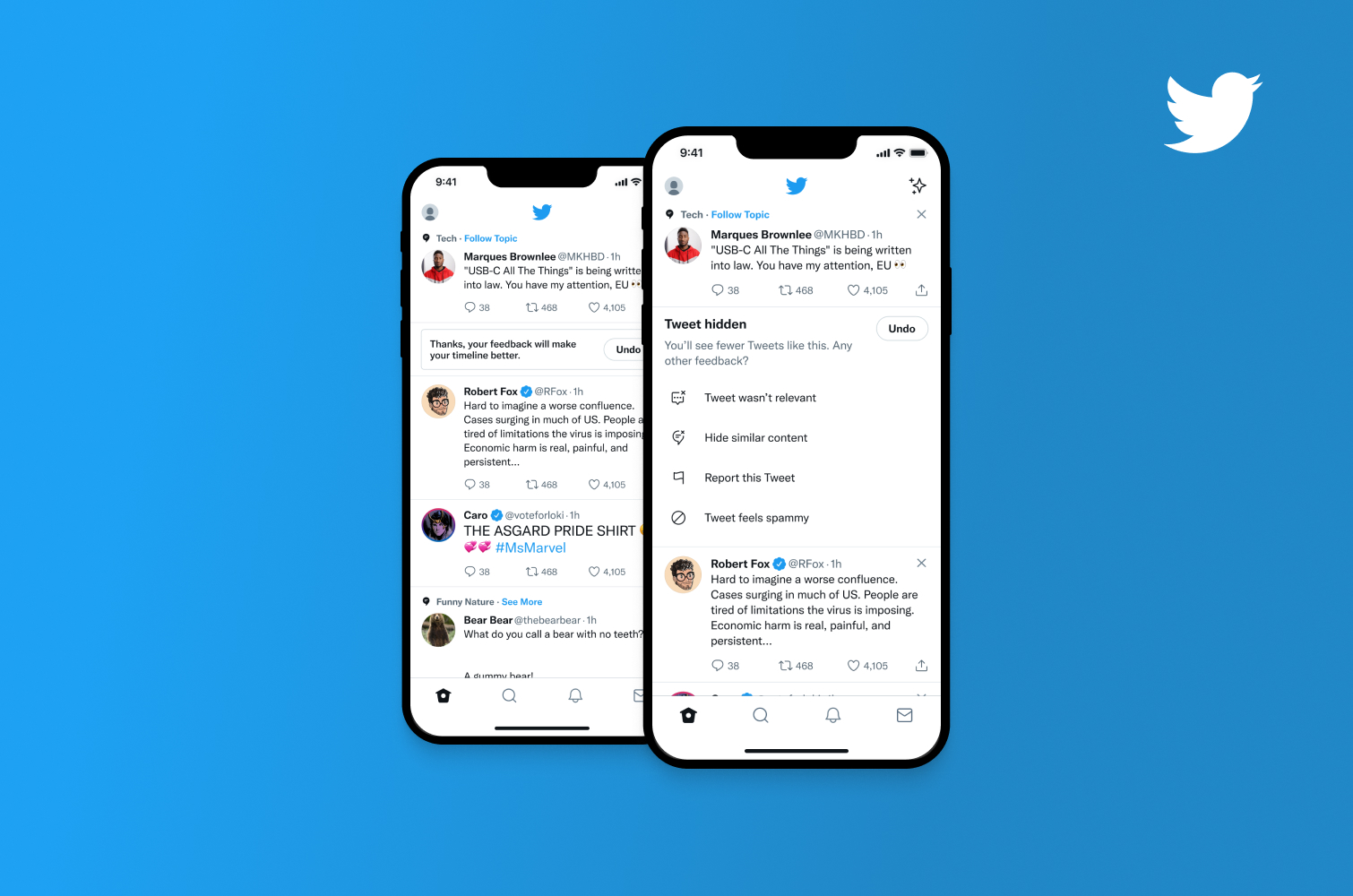
Twitter - Project Nah
- iOS
- Android
- Web
Learn More
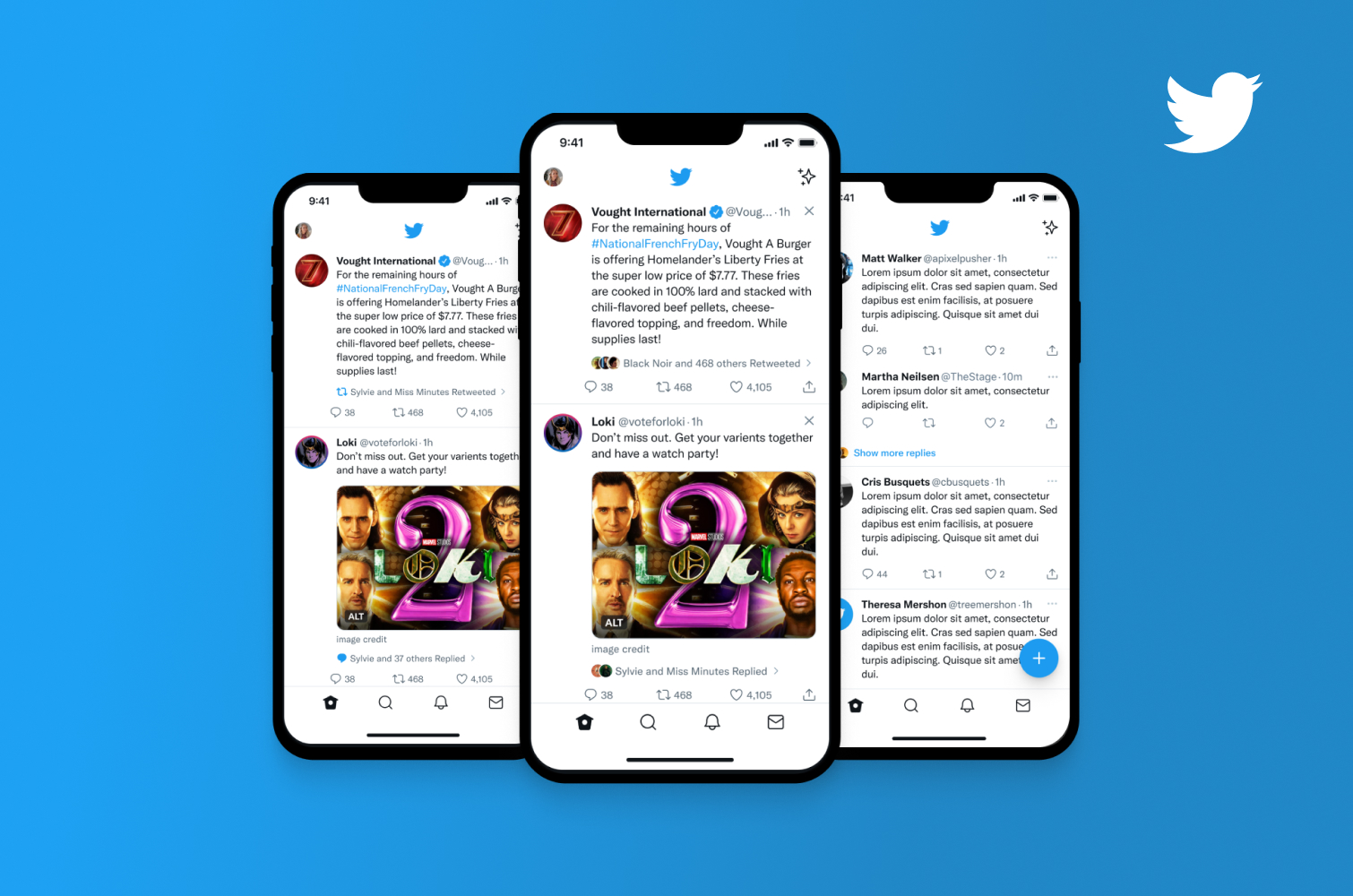
Make Twitter Easy
- iOS
- Android
- Web
Learn More
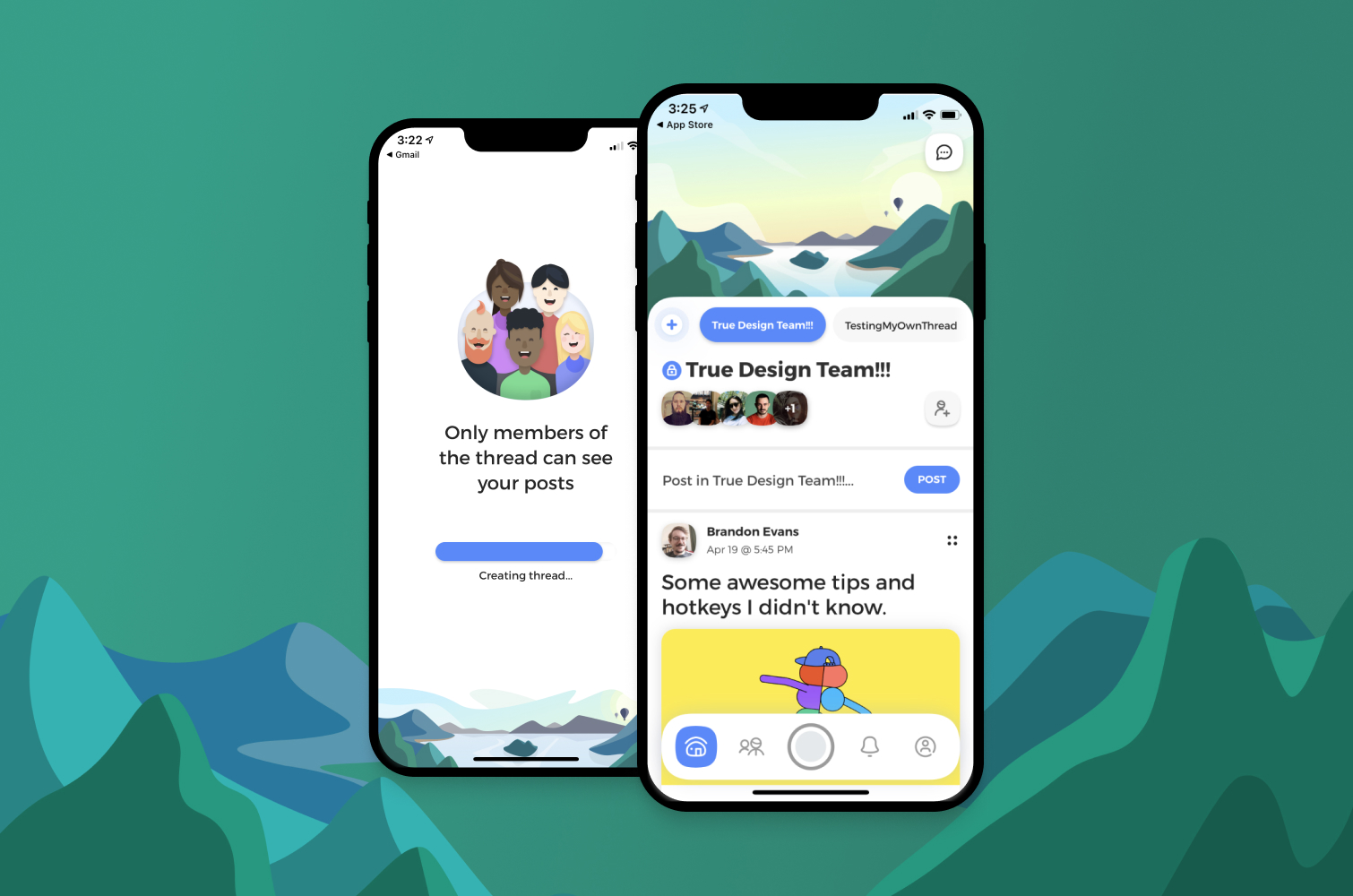
True - Onboarding
- iOS
- Android
Learn More
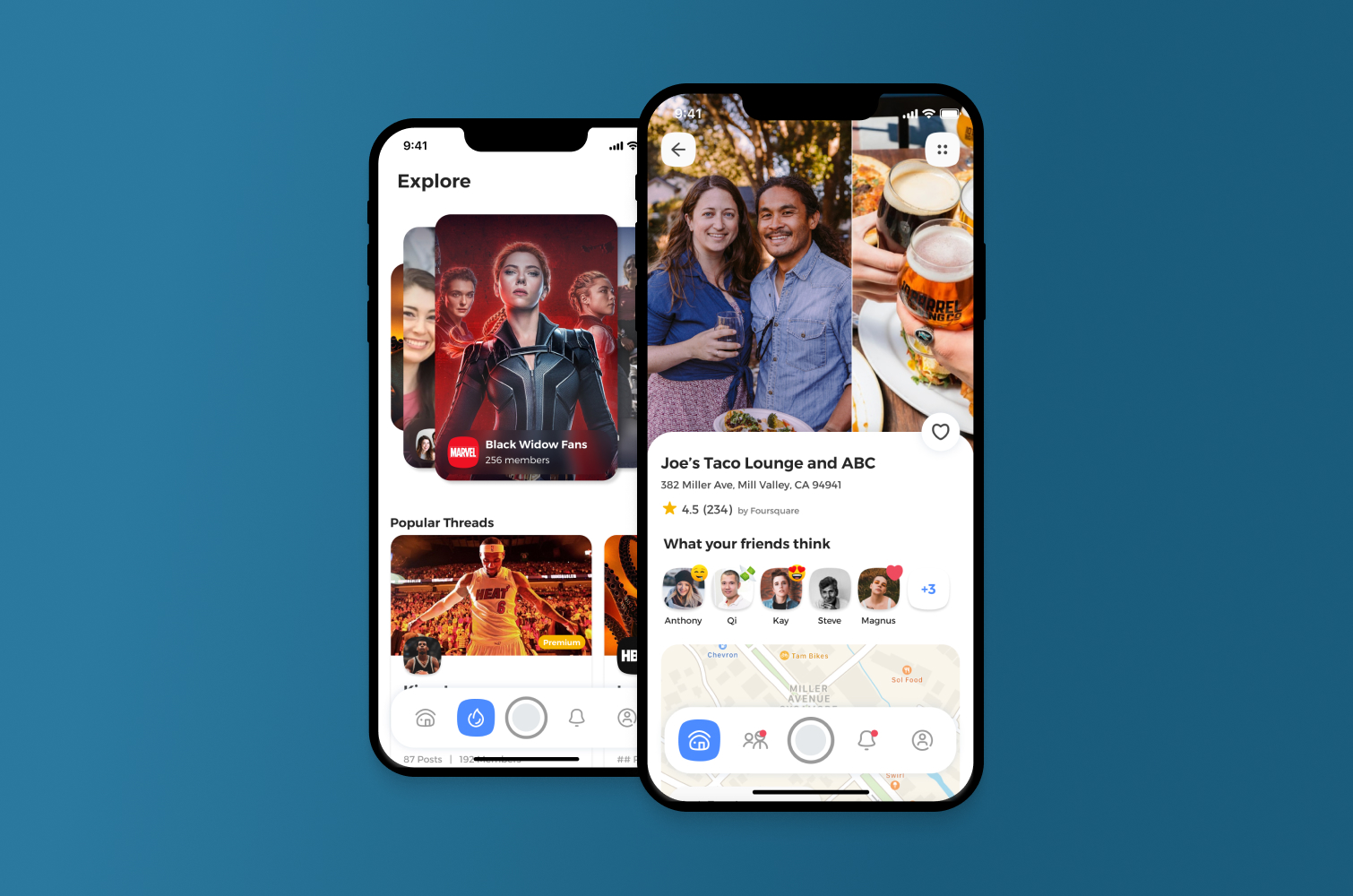
True App
- iOS
- Android
Learn More
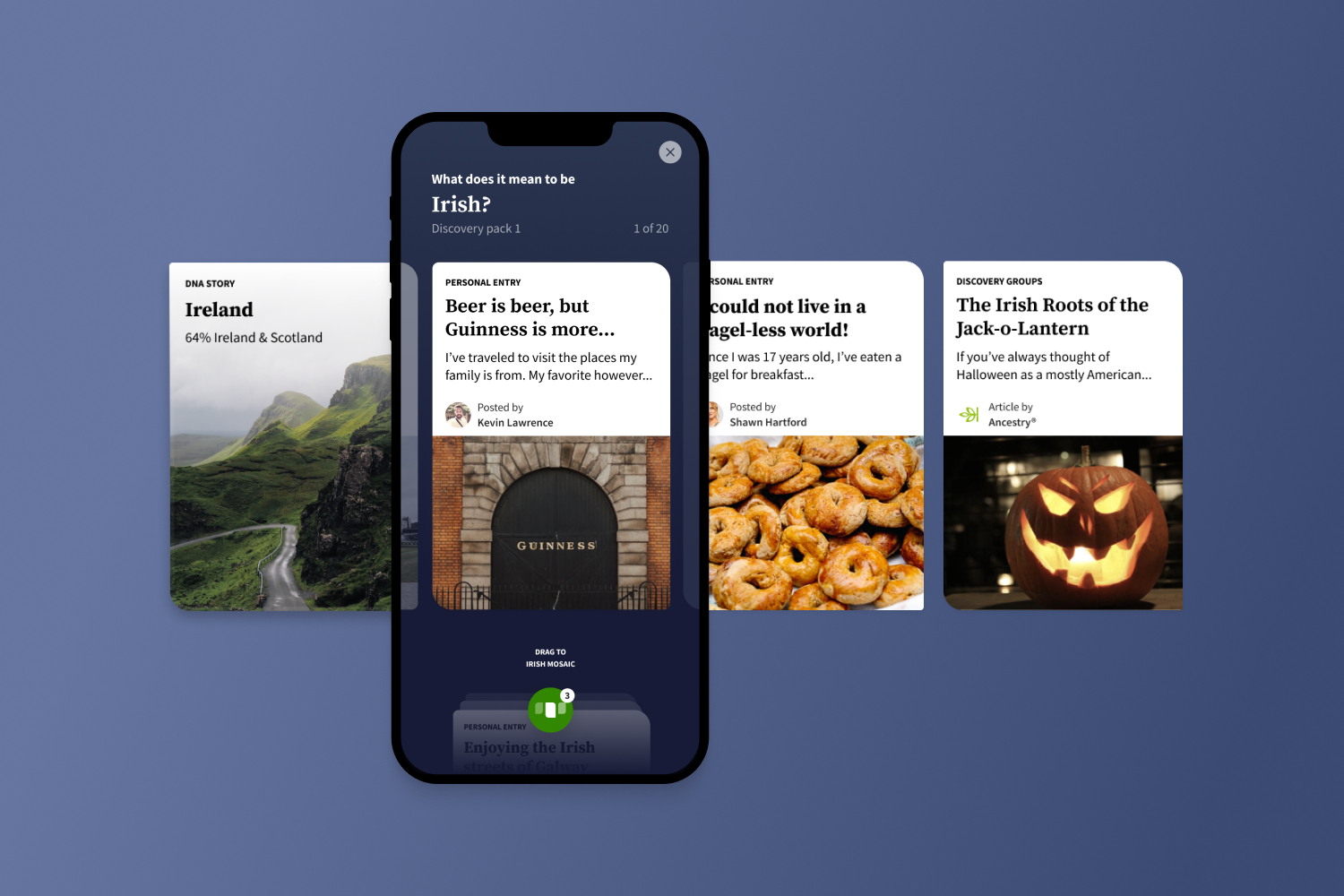
Ancestry Mosaic
- iOS
Learn More
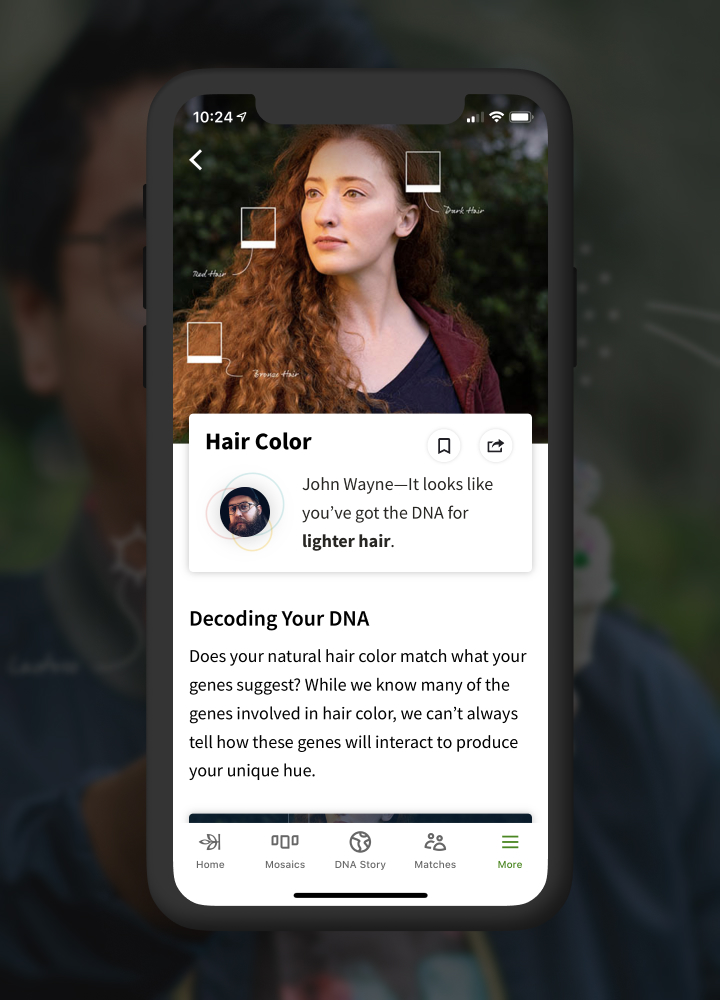
Traits
- iOS
- Android
- Web
Learn More
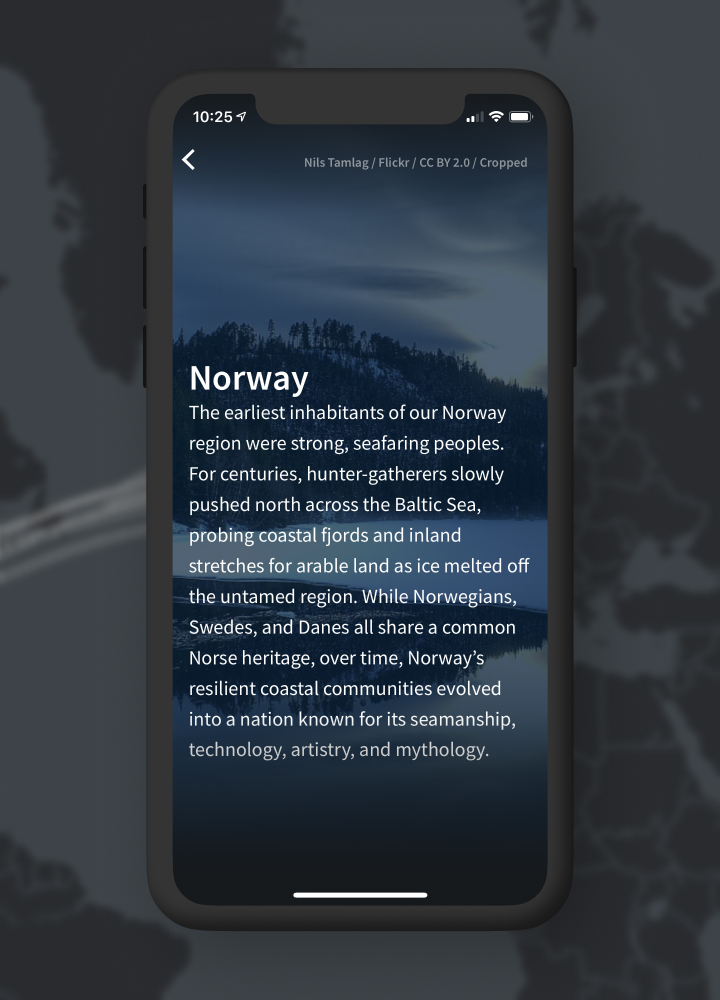
DNA Story
- iOS
- Android
- Web
Learn More
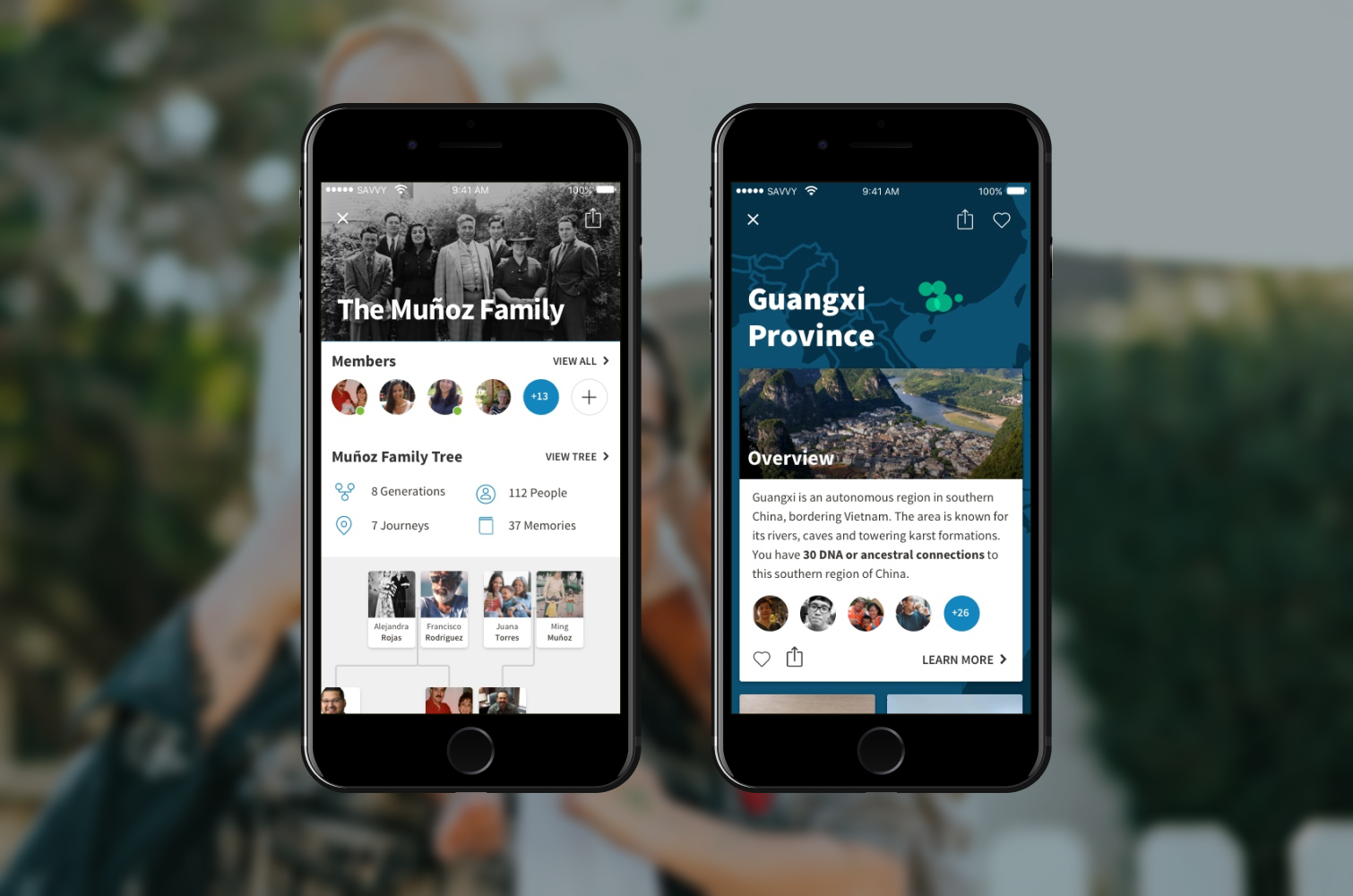
Product Vision
- iOS
Learn More

Aerial Photography
- Embedded
Learn More
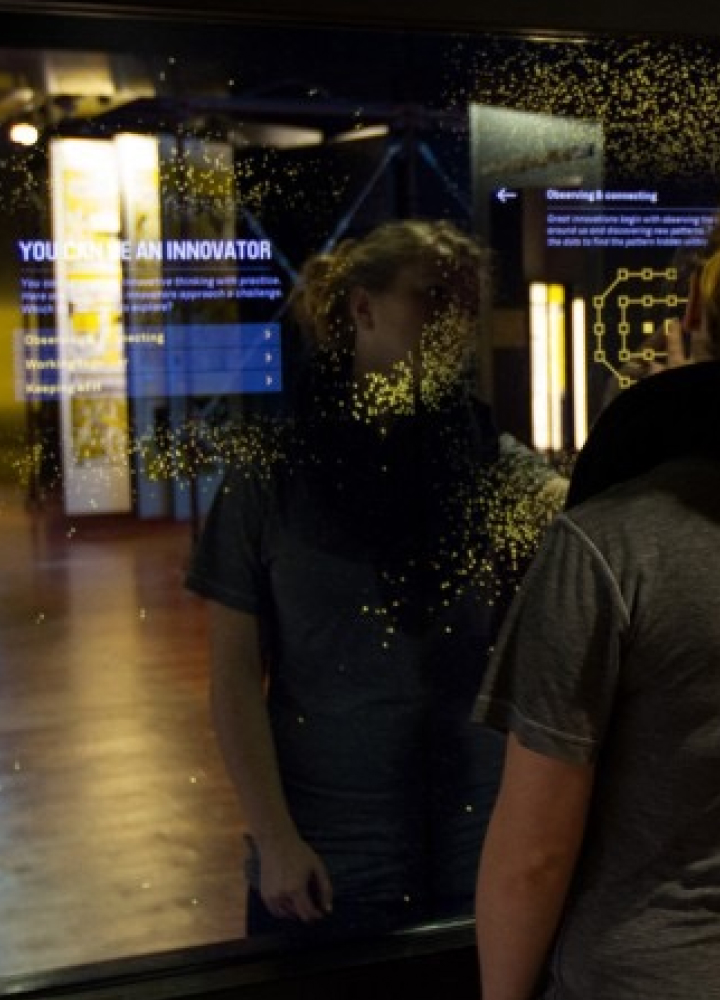
M.O.H.A.I. Launchpad
- Installation
Learn More